

Safer communities that do not involve more policing, incarceration, or detention.
EMAC’s Policy Areas of Focus
Policies that will protect our community members. Policies that are non-violent, non-carceral, prevent arrests/detention, prevent deportation. Policies that will reform immigration policies.
We believe in policy change that results in:
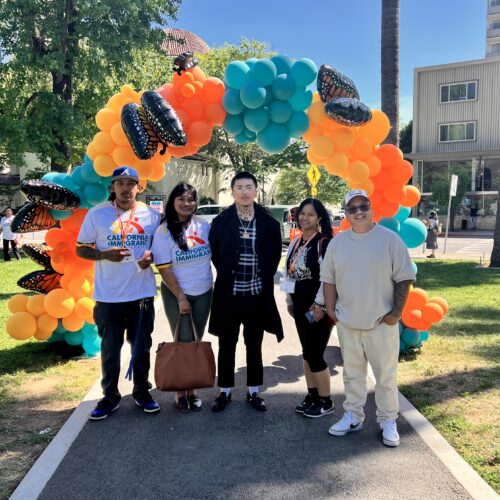
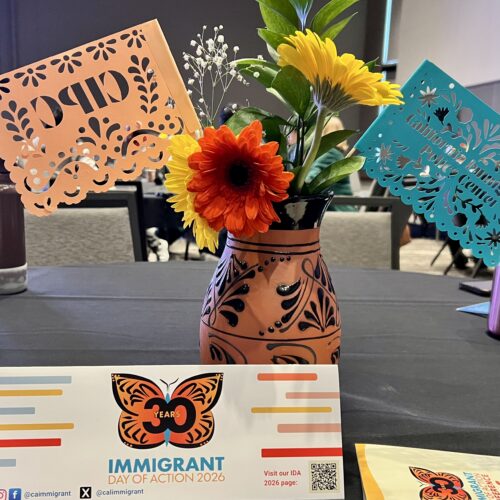
A more equitable and just U.S. immigration system.
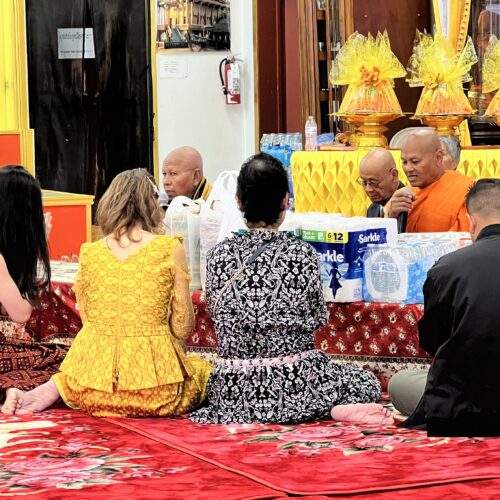
More culturally responsive services and resources for Southeast Asian communities, as well as the broader Asian American and Pacific Islander communities.

Increased protections and resources for undocumented, formerly incarcerated, and working class community members.
Our Mission
The mission of EMAC is to help build safe and thriving Southeast Asian communities within the larger Asian American and Pacific Islander diaspora.
We seek to fulfill this mission through community advocacy and civic engagement, providing culturally relevant resources, and cultivating the development of social empowerment through the expression of our values: transformative justice, culturally rooted healing, communal resilience, and collective liberation.
EMAC’s Policy Priorities:
- End Detentions & Deportations
- Right To Due Process
- Affordable Pathway To Citizenship
- Cultural Preservation Across Generations
- Community Led Solutions
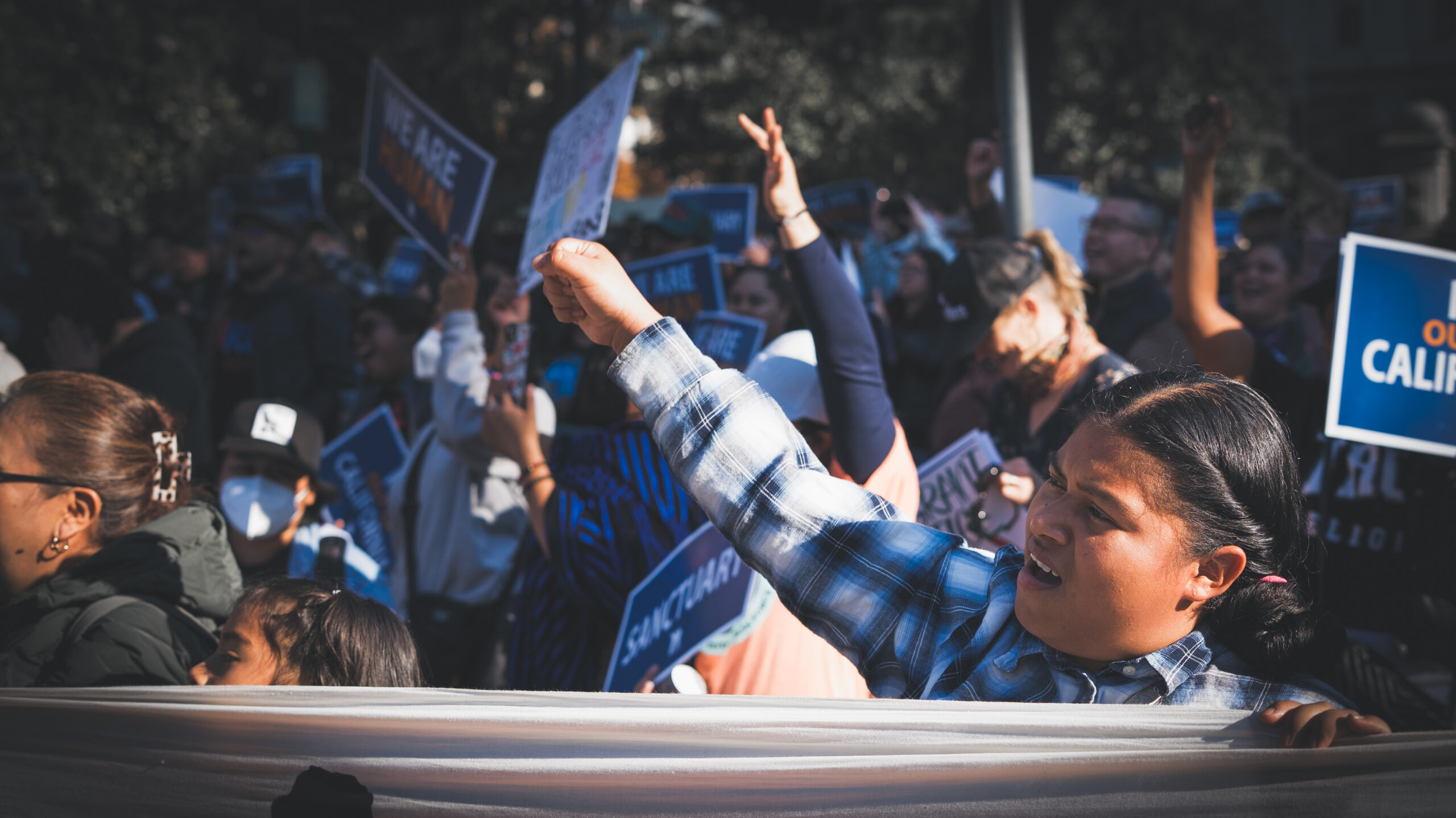
We want to end detentions and deportations
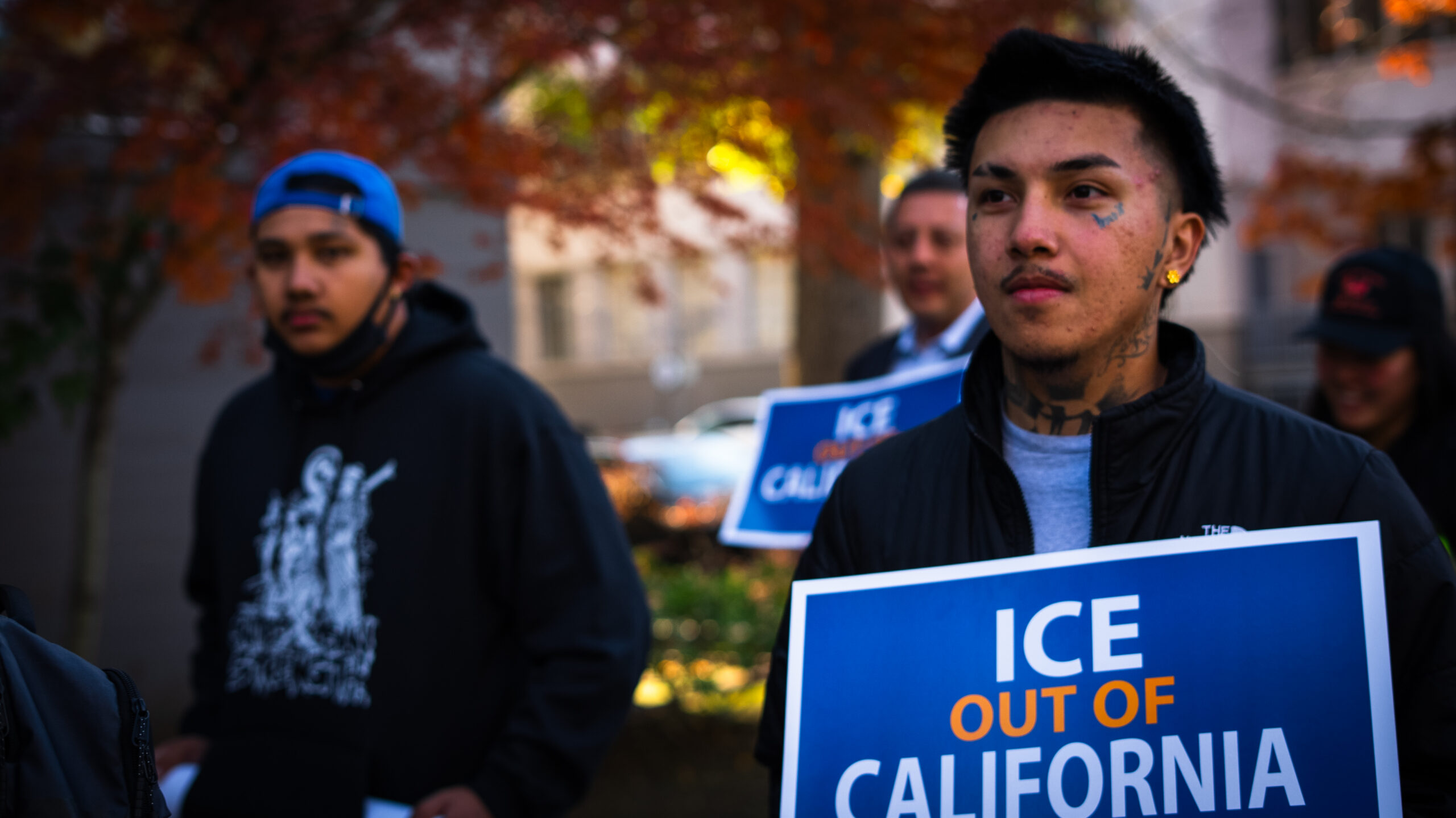
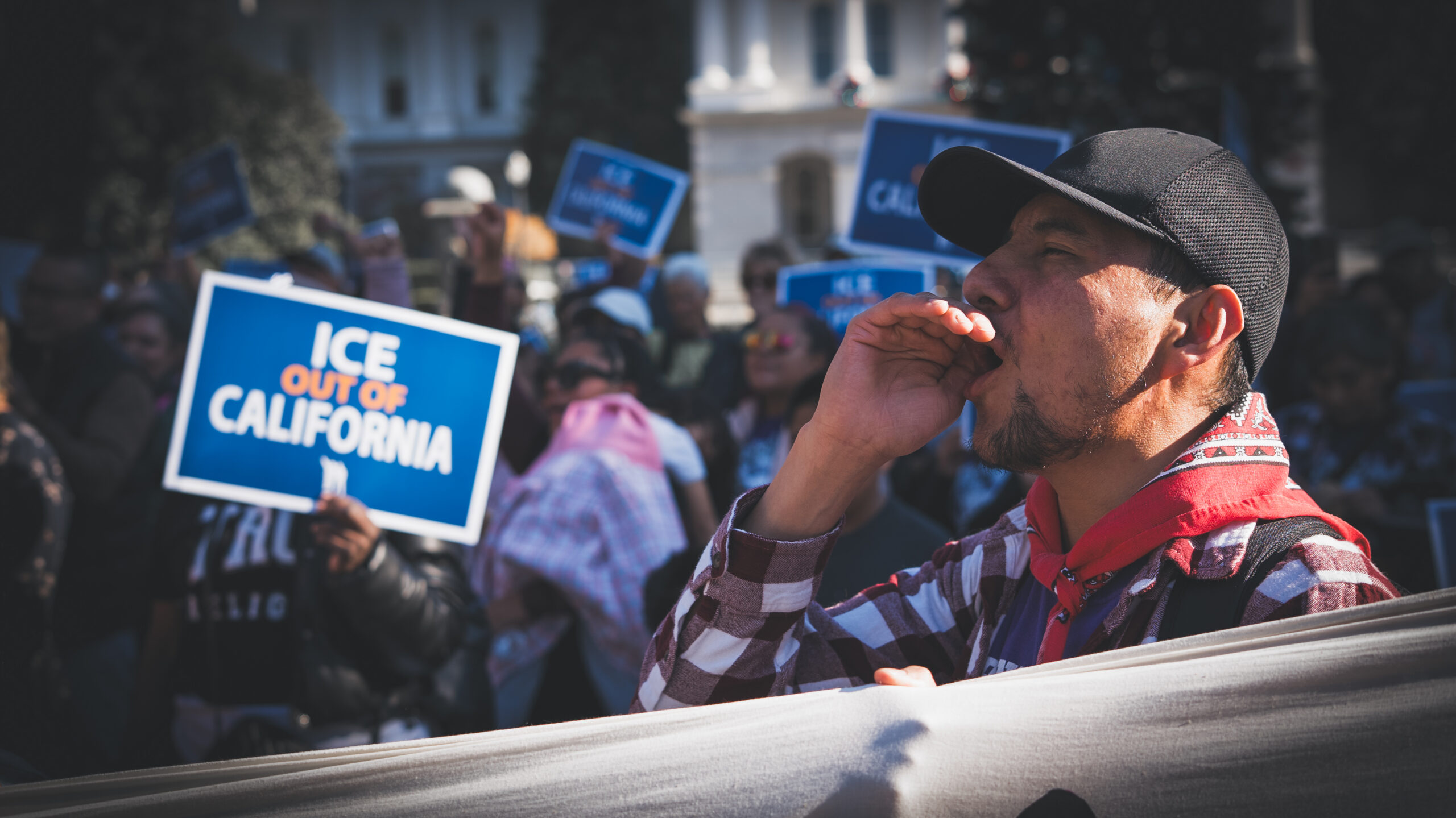
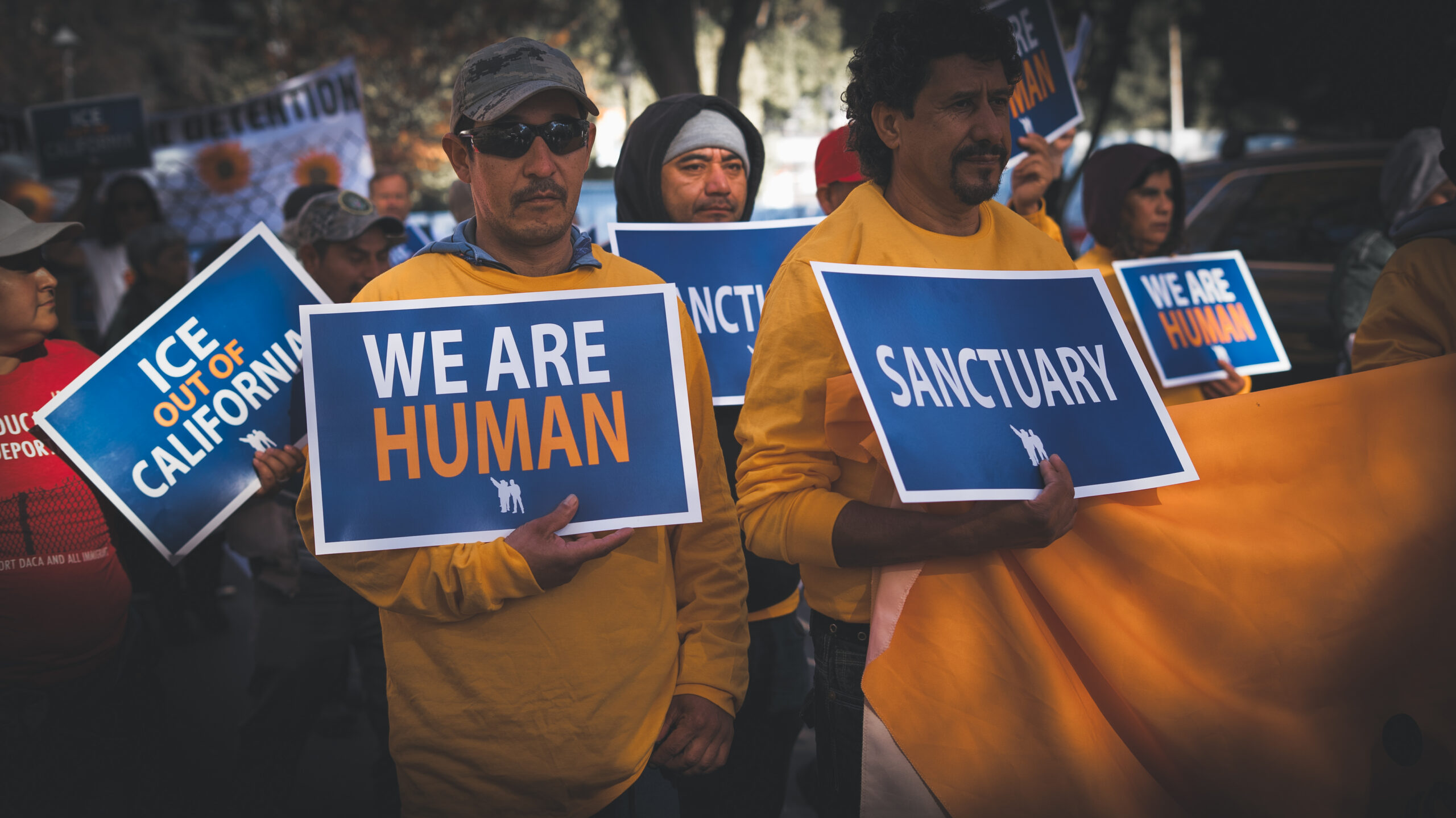
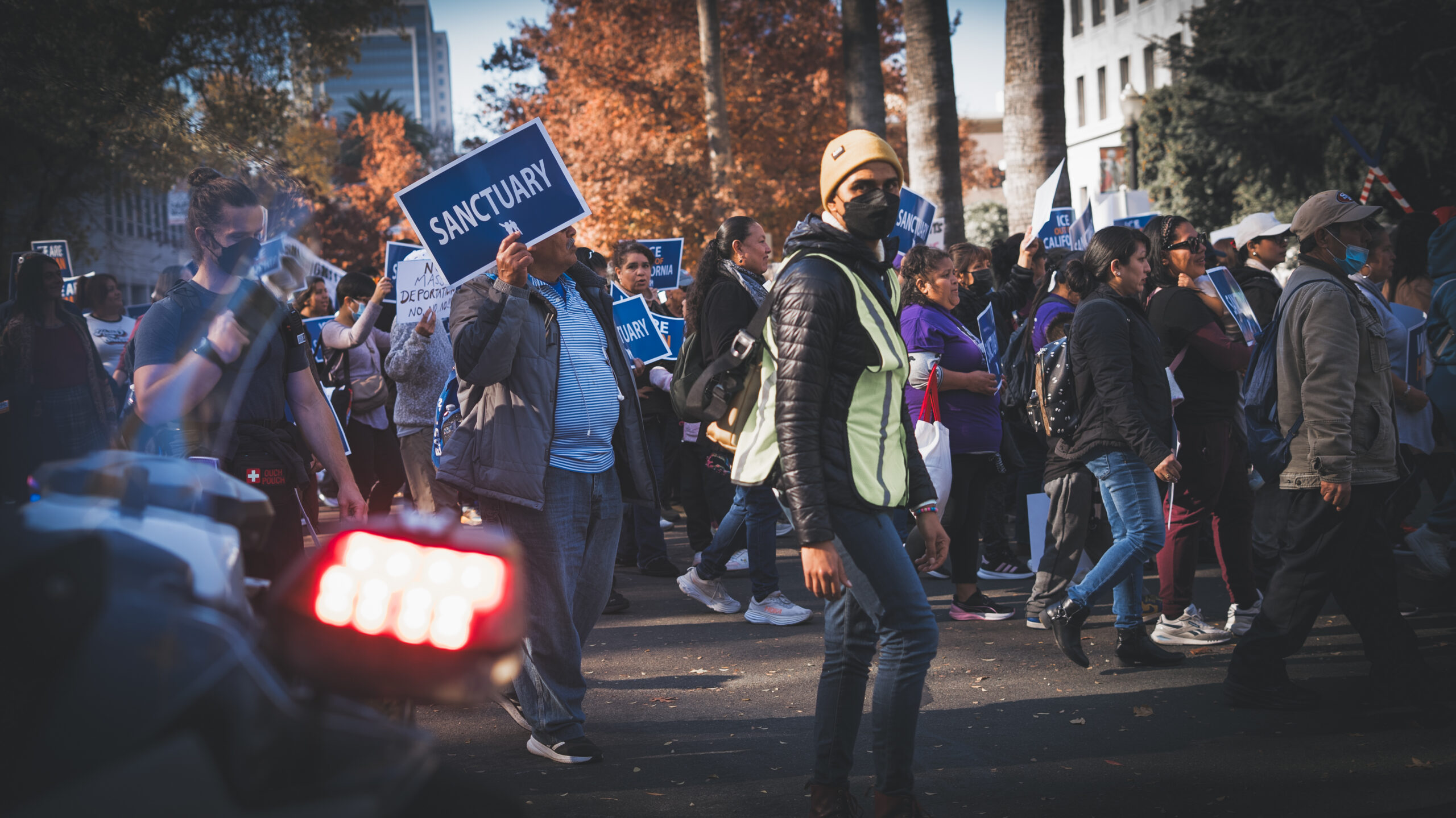
We believe that no one is illegal on stolen land. U.S. imperialism and colonization in Southeast Asia has created generations of refugees and forced migration from their homelands. Immigrants and refugees deserve the opportunity to build a life free from violence, discrimination, and fear. We believe in sanctuary for all. We want ICE and law enforcement to stop violently arresting and detaining people. We believe that DHS and all of its component agencies, including ICE and CBP, impose state-sanctioned violence on our communities, regardless of which political party is in the White House. Our current immigration enforcement structure is a continuation of slave patrols and we do not believe immigration enforcement agents should continue operating with impunity and committing crimes against humanity. We believe that every human being, regardless of immigration status, has rights.
We want to ensure immigrants and refugees, regardless of their status or criminal records, have their rights respected, including the right to due process
We believe in consent and opportunity for fair legal representation. We want people to be able to understand and comprehend legalities in their own languages. We believe in language justice and culturally responsive services. The Southeast Asian diaspora is incredibly diverse, with languages such as Thai, Lao, Khmer, Tagalog, Ilocano, Visayan, Vietnamese, Burmese, Malay, Indonesian, Hmong, Khmu, Mien, and others. When navigating an already difficult system and situation, language justice plays a vital role in communities understanding their legal rights. We furthermore believe that justice-impacted folks have the right to reunite with their families after serving their sentences. There should not be sharing of data or transfers to ICE detention centers after being released from jail. We want to stop the double punishment that comes with funneling people through the school-to-prison-to-deportation pipeline.
We believe that immigrants and refugees should have access and support to a clear and affordable pathway to citizenship
We want an affordable, timely, and accessible pathway to citizenship, free from barriers that would place undue burden on marginalized community members who navigate it. We believe that everyone deserves equitable access to resources, particularly in the immigration system.
We believe in cultural preservation and learning about our shared histories as immigrants and refugees to this country across generations
We honor the value that immigrants and refugees bring to this country, with their diversity in traditions, languages, and ways of life. We are educated on the different ways our families and ancestors came to the United States, including by capitalism, colonization, imperialism, war, genocide, and forced migration, while understanding that these histories do not solely define us or our communities. We want to ensure Southeast Asian communities learn our histories, continue to heal from past intergenerational traumas, and build full and thriving lives.
We believe true safety comes from community-led solutions, not just law enforcement
Through investment in transformative justice principles, restorative justice practices, non-carceral violence intervention programs, and culturally relevant, trauma-informed care, we can build a community where everyone, including working class Southeast Asian families, feels secure and supported.
